
Recovery
Concussion recovery takes time, patience, and the right support. Learn how rest, gradual activity, and proper care can help the brain heal.
The Brain That Recovers
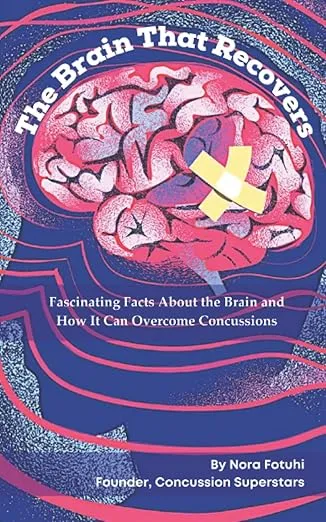
You will also learn about:
- How the brain works and why brain health matters
- What happens to the brain during a concussion
- How to manage symptoms during school, sports, and everyday life
- Strategies that support healing and reduce setbacks
- Ways to protect long-term brain health after an injury
When can you return to playing sports again?
Symptoms Are Signals
Headache, dizziness, fatigue, brain fog, or mood changes are signs that the brain may still be recovering. Even if an athlete feels eager to return, symptoms should not be ignored.
Increase Activity Gradually
Returning to school, exercise, and sports should happen in gradual steps. Activity should increase only when symptoms are stable and not getting worse.
Get Cleared Before Returning
Athletes should return to play only after appropriate guidance from a healthcare professional, athletic trainer, or coach following concussion safety guidelines.
Athletes who experience concussion are often impatient. They want to return to their typical strenuous activities and live life as if they had never experienced a trauma to their brain. They don’t quite appreciate that trauma to their brain is similar to trauma to their bones. It takes time for the brain to heal, and there is no quick fix for this problem.
They are frustrated because they can’t actually see the injury to their brain – the same way they would see if they had broken their bone or torn the tendons in their knee.
Warning: Returning to sports too soon can delay recovery and increase the risk of another concussion,
especially in contact sports.
If you have suffered a concussion, you are slower to react quickly and move out of the way if a ball or a player is coming at you quickly. This means you may experience more concussions, and that you will require even more time to heal and get back to your baseline level of your brain functions. You may end up developing post-concussion syndrome, which we discussed above.
If you have lingering symptoms due to a traumatic brain injury, you need to check with your trainer or your doctor to determine when you can safely return to playing sports again.
CDC Stepwise Return-to-Play Guidelines
Returning to activity should be a step-by-step process, not an all-at-once decision. The stages below show how activity can slowly increase as symptoms improve and recovery progresses.
Stage 1
First Couple of Days
- Take it easy for a few days.
- Take naps if you feel like it
- Go for relaxing walks
Stage 2
After a Few Days
- Gradually increase activity as tolerated.
- Return to school/work as tolerated.
- Do things that make you happy.
- Avoid doing too much too soon.
- Keep screen time low to reduce symptoms.
Stage 3
After a Couple of Weeks
- Increase activity without overdoing it.
- Increase exercise gradually.
- Practice sports as tolerated.
- See a doctor if symptoms persist.
Stage 4
After a Few Weeks
- Resume normal school and work activities.
- Return to sports if medically cleared.
- Lower activity if symptoms worsen.
Work or School Accommodations
A healthcare professional can provide written recommendations to help students or workers recover safely after a concussion. Temporary accommodations may help reduce symptoms while the brain heals.
School Accommodations
- Postponed exams or assignments
- Delayed school start time
- Reduced workload or shortened assignments
- Permission to wear sunglasses indoors if bright light worsens symptoms
Work Accommodations
- Work-from-home options
- Frequent breaks
- Reduced screen time
- Temporary part-time schedule if needed
You Deserve Proper Support
A concussion is a real brain injury, even when it is not visible on the outside. People recovering from concussions may need time, patience, accommodations, and medical support, just as they would with other injuries or health conditions.
Education matters because concussions are often misunderstood. Taking symptoms seriously and allowing enough time for recovery can help protect long-term brain health.