A concussion can happen in sports, recreation, school activities, motor vehicle accidents, and everyday life. While not every concussion can be prevented, many can be avoided through education, proper safety equipment, safe environments, and informed decision-making.
Understanding how concussions occur is the first step toward reducing risk and protecting long-term brain health.
Did You Know?
Many concussions occur without loss of consciousness. Recognizing risks early and following safety recommendations can significantly reduce the likelihood of serious injury.
Concussion Fact
1.7–3.8 Million
Sports- and recreation-related concussions occur each year in the United States. Children and adolescents are among the groups most frequently affected.
Target Goals
More specifically, I started my organization to achieve the following goals:
01
Provide educational material for children and young adults on how they can prevent concussions in different sports.
02
Provide information for coaches and parents on specific actions they can take to help children minimize their risk for traumatic brain injury.
03
Raise public awareness about the “invisible symptoms” of concussions and the importance of being mindful and sensitive when caring for those with lingering symptoms.
04
Create educational resources, community presentations, and awareness initiatives that help children, families, and athletes better understand concussion prevention and recovery.
Learn more in The Brain That Recovers
05
Build a community of young leaders who promote concussion awareness, injury prevention, symptom reporting, and brain health advocacy.
What Does It Mean to Be a Concussion Superstar?
Support proper recovery by following medical guidance, gradually returning to everyday activities as symptoms improve, and returning to sports only after completing the appropriate return-to-play protocol with medical clearance.
Support proper recovery by following medical guidance, gradually returning to everyday activities as symptoms improve, and returning to sports only after completing the appropriate return-to-play protocol with medical clearance.
The Four Principles of a Concussion Superstar
Promote Brain Safety
Understand the importance of concussion prevention and encourage safe behaviors among friends, teammates, classmates, and the broader community.
Recognize and Report Symptoms
Learn the signs and symptoms of concussion and speak up when an injury occurs. Early recognition and reporting are essential for proper care and recovery.
Prioritize Full Recovery
Support proper recovery by following medical guidance and returning to activities only when symptoms have resolved and it is safe to do so.
Support Others
Show compassion and encouragement to individuals recovering from a concussion. Help create an environment where health and recovery are valued above competition or performance.
Young people can play an important role in promoting concussion awareness, prevention, and recovery within their schools, teams, and communities.
Simple Steps to Reduce Your Risk of Concussion
Many concussions can be prevented through simple everyday habits. Wearing appropriate safety equipment, following safety rules, and making smart decisions can significantly reduce the risk of head injuries at home, during recreation, and in sports.
In Vehicles
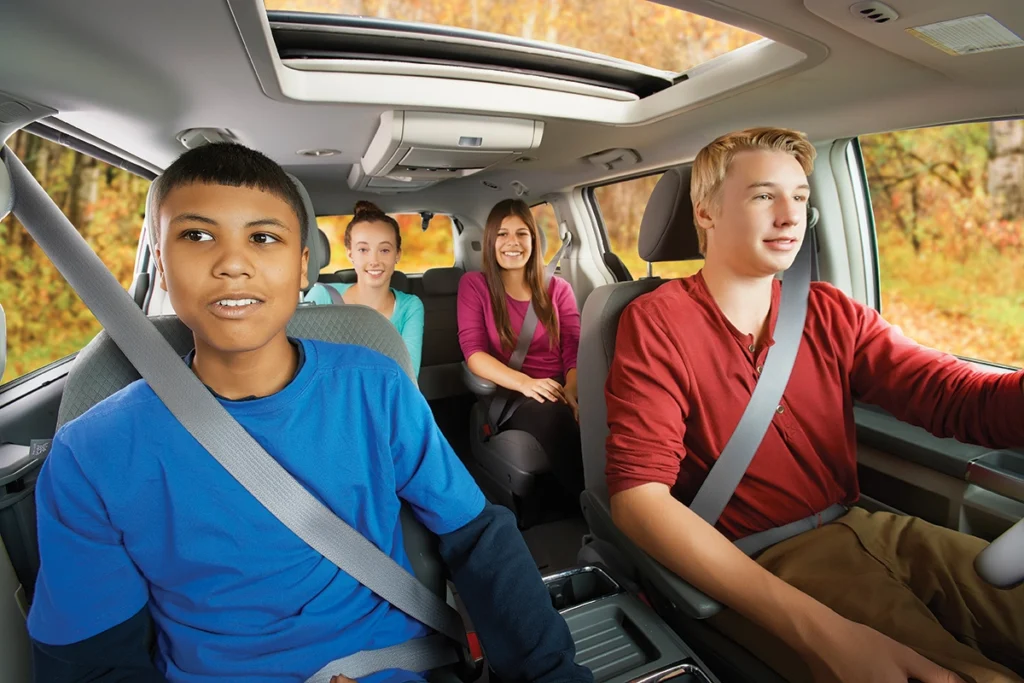
Always wear a seatbelt and use age-appropriate safety restraints. Seatbelts are one of the most effective ways to reduce serious head injuries during motor vehicle accidents.
Protective Gear
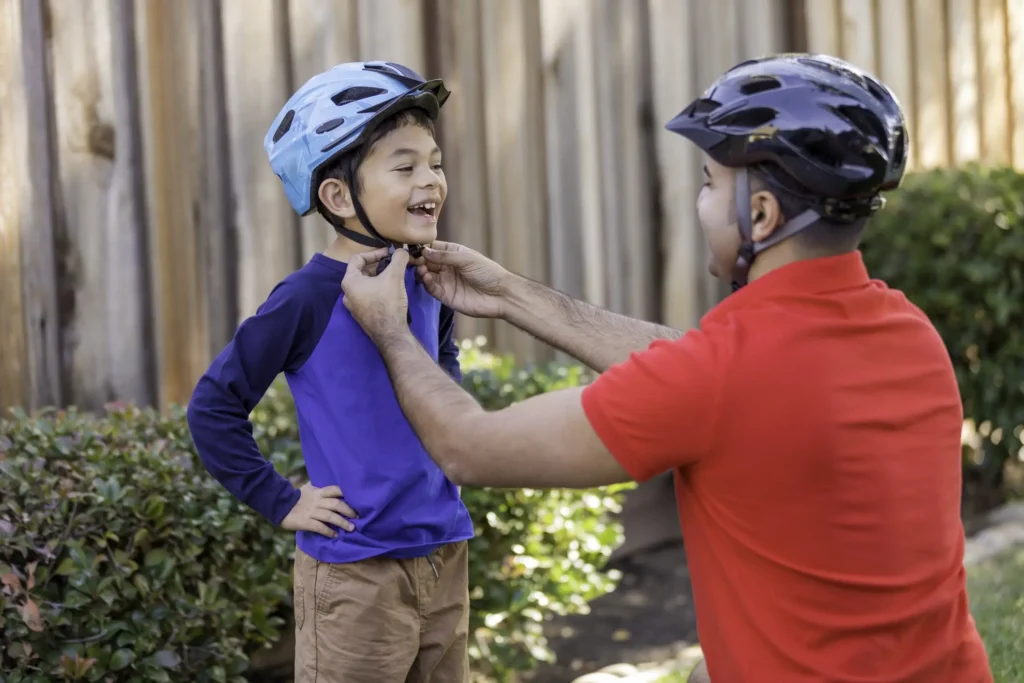
Wear properly fitted helmets and protective equipment during activities such as biking, skateboarding, skiing, and contact sports.
Smart Choices
Follow safety rules, avoid dangerous behaviors, and stay aware of your surroundings to help prevent falls and other common causes of concussion.
Bicycling, skateboarding, and other recreational activities can increase concussion risk when proper safety equipment is not used. Wearing a helmet and following safety guidelines can help reduce the likelihood of injury.
Quick Fact
Concussions do not only occur in sports. Falls, motor vehicle accidents, recreational activities, and everyday injuries are also common causes of concussion.
Concussion Prevention in Sports
The CDC provides sport-specific recommendations to help reduce concussion risk and promote safer participation in athletics.
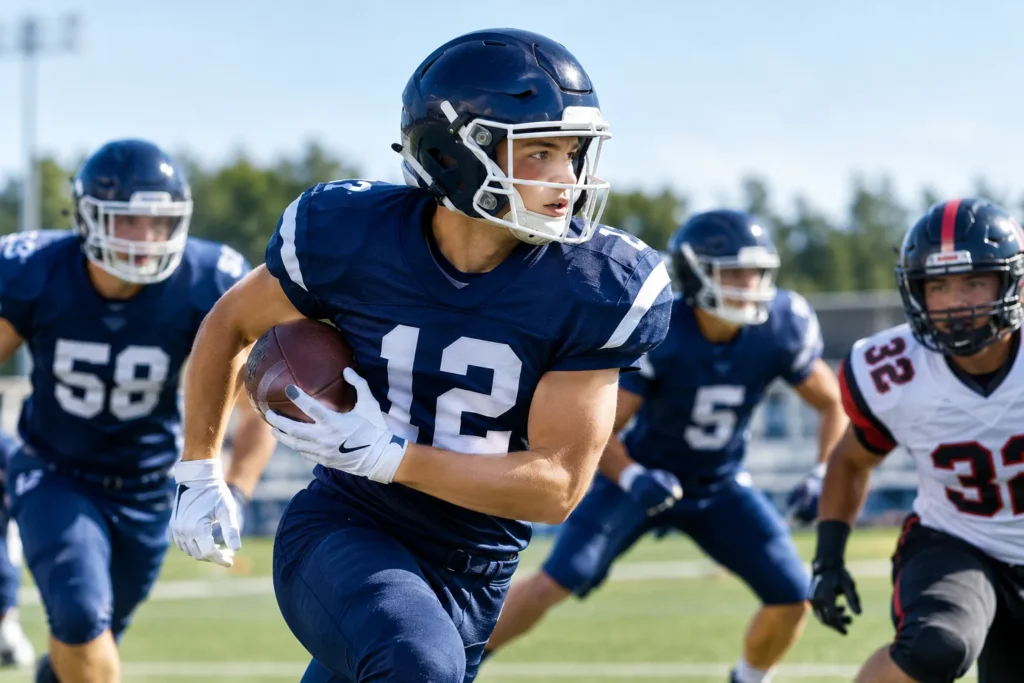
Football
Limit contact during practice, ensure helmets fit properly, and enforce rules against dangerous or illegal contact.
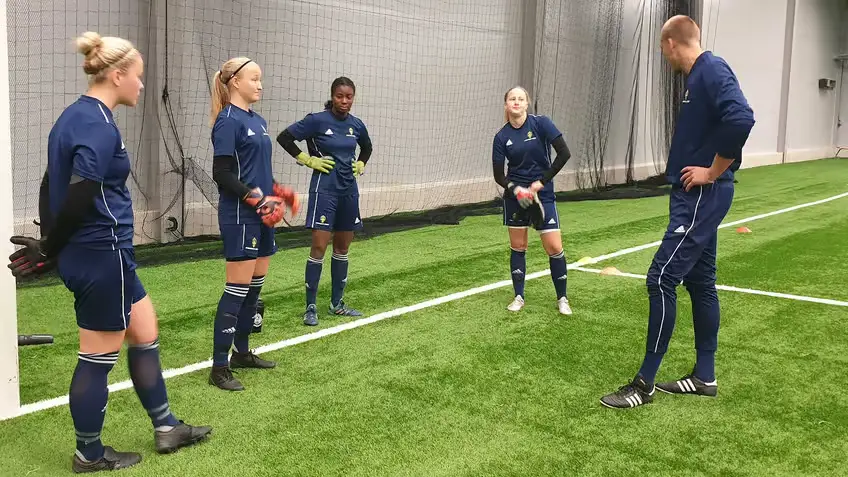
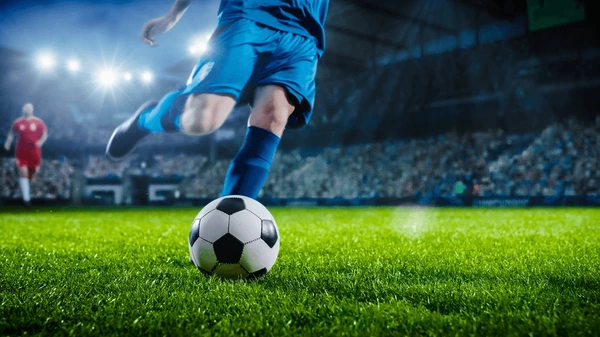
Soccer
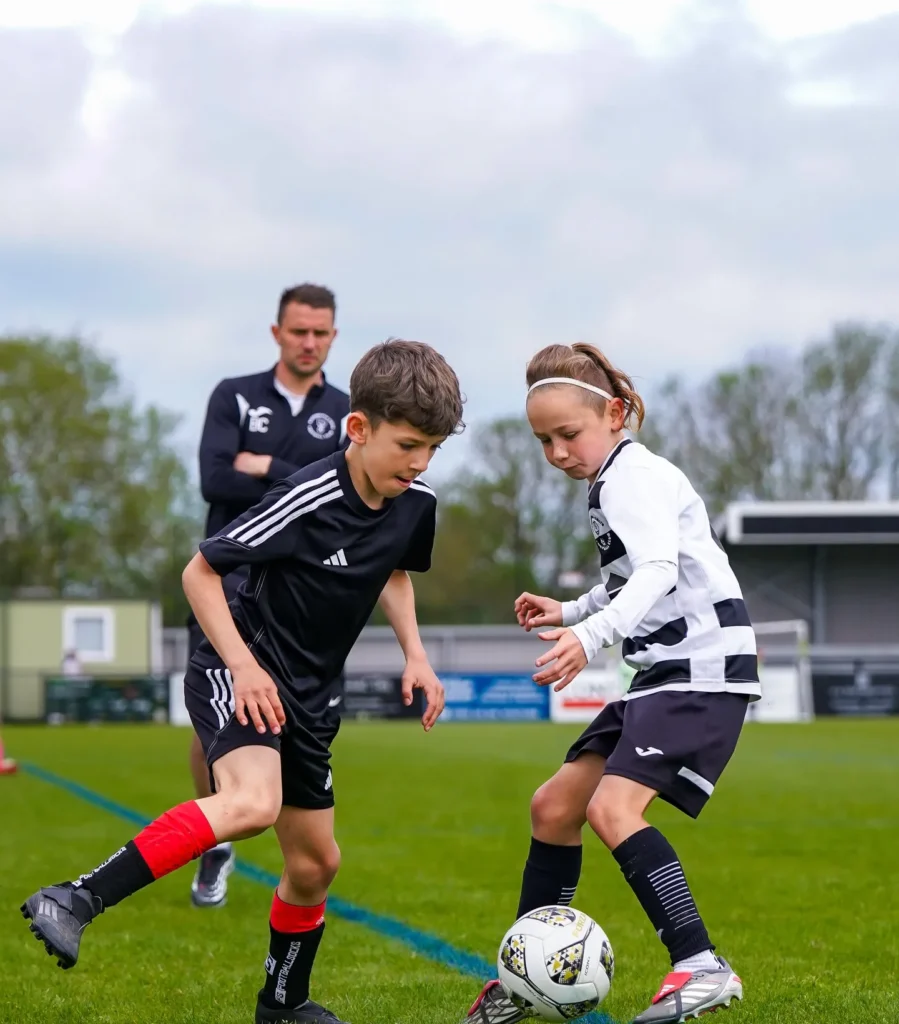
Follow age-based heading guidelines, encourage safe play, and keep the field free of tripping hazards.
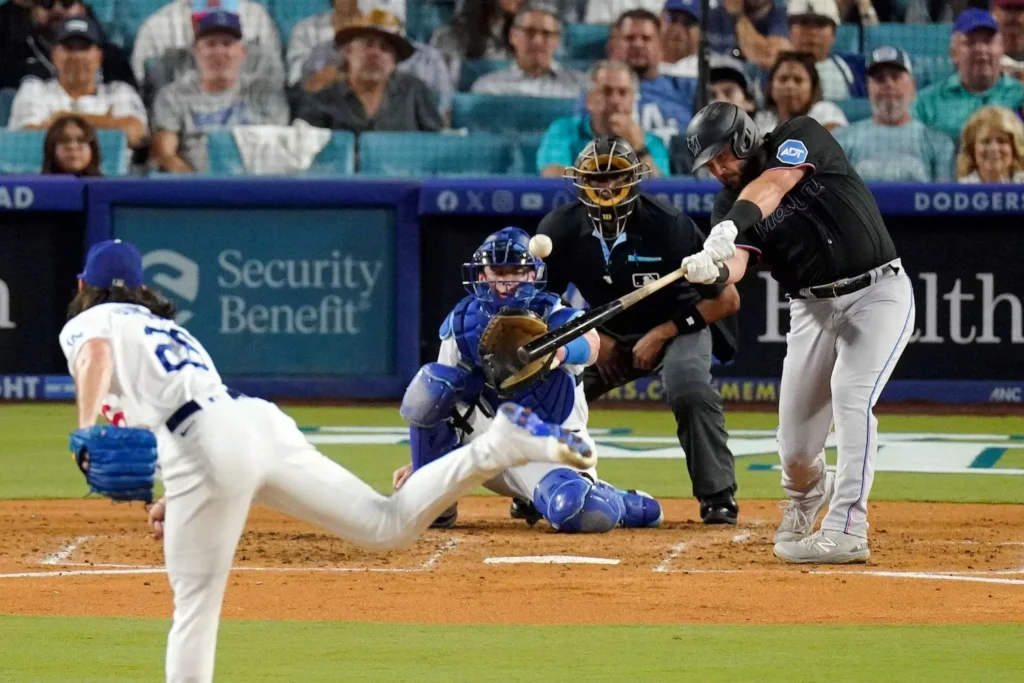
Baseball & Softball
Wear a properly fitted batting helmet and keep the playing area clear of obstacles and hazards.
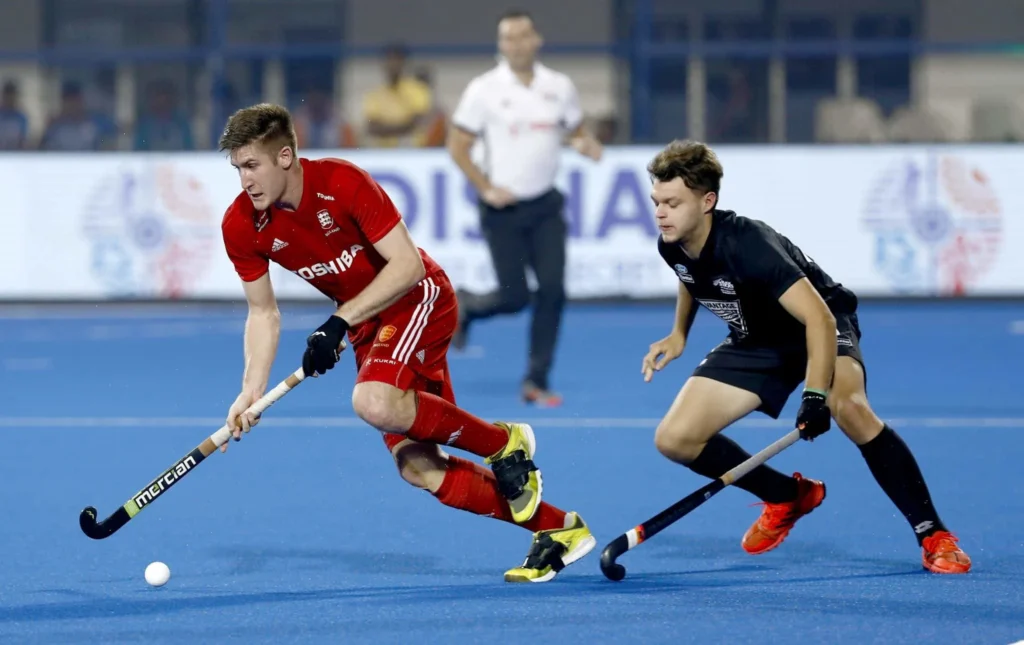
Field Hockey
Promote safe play, enforce rules against dangerous contact, and maintain a safe playing surface.
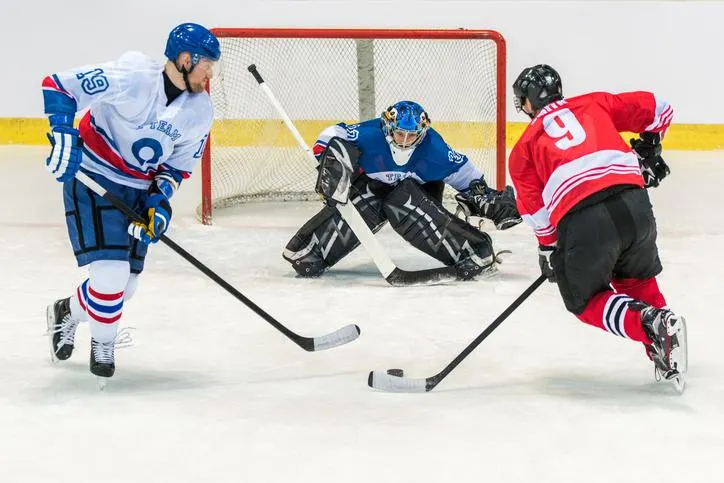
Ice Hockey
Limit contact during practice, wear properly fitted helmets, and follow age-appropriate checking rules.
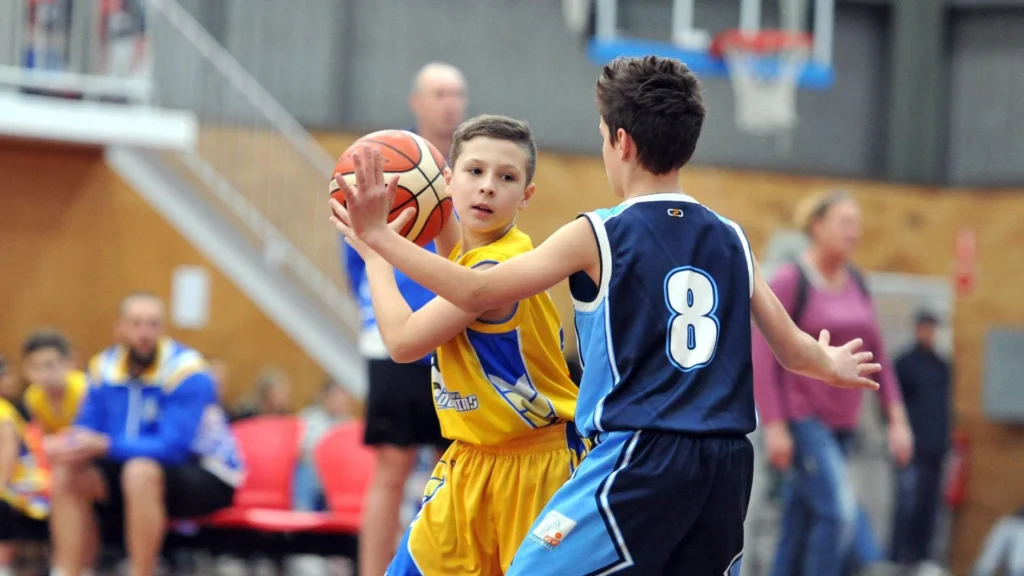
Basketball
Encourage safe play, keep courts free of hazards, and teach proper techniques to reduce collisions and falls.
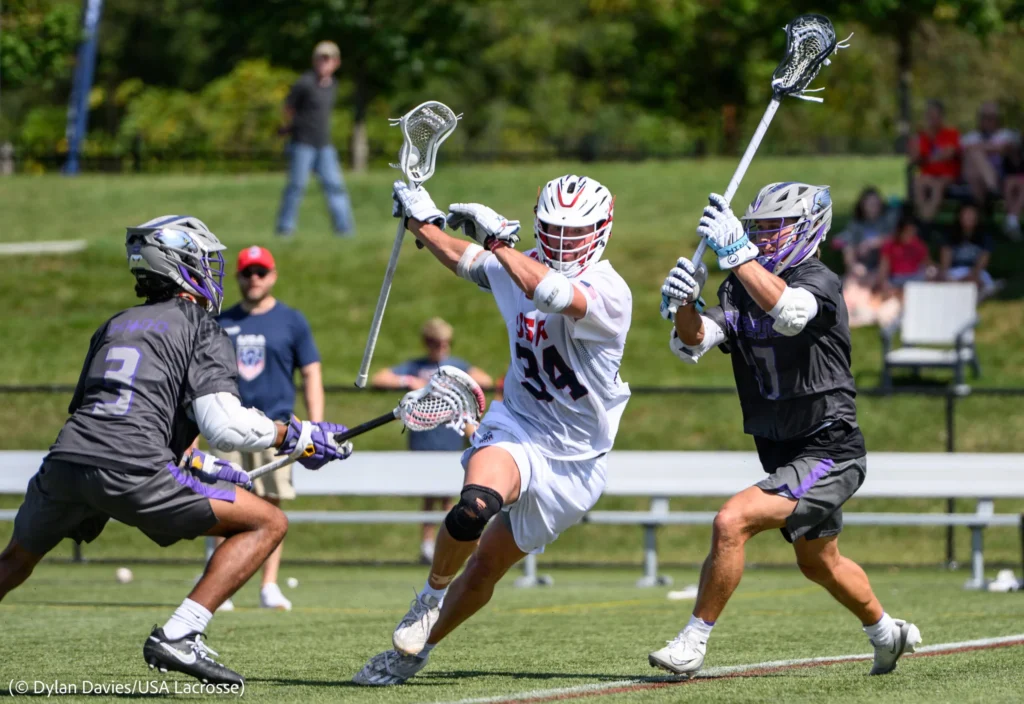
Lacrosse
Limit contact during practice, ensure protective equipment fits properly, and promote safe play at all levels.
Cheerleading
Use trained supervision, spotters, and proper instruction to help prevent falls and stunt-related injuries.
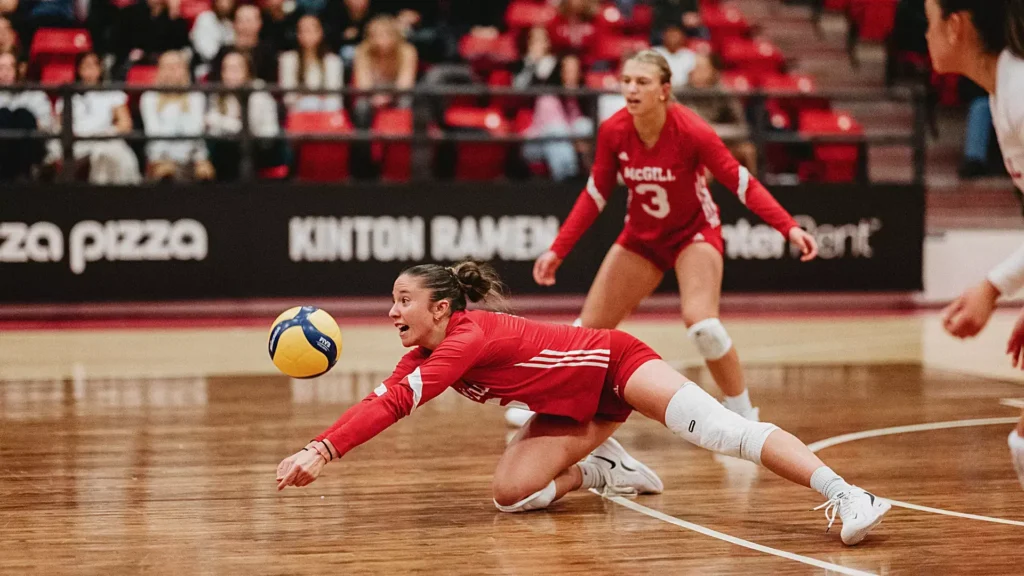
Volleyball
Teach safe diving and landing techniques, and maintain a safe playing environment and equipment.
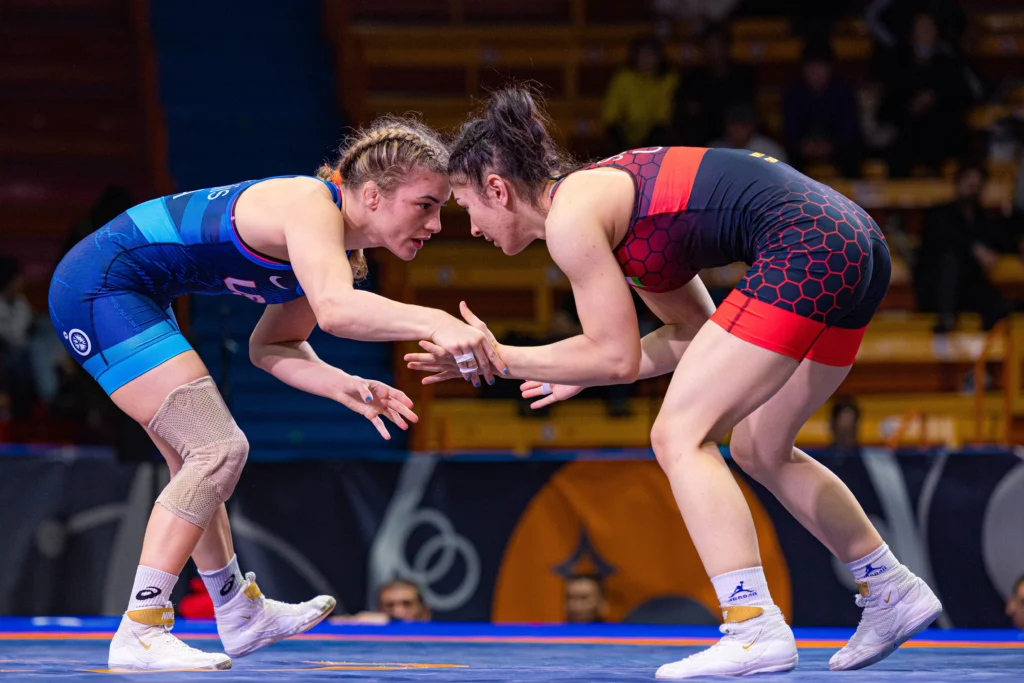
Wrestling
Use proper techniques that protect the head, discourage unsafe contact, and enforce competition safety rules.
Football
Limit contact during practice, ensure helmets fit properly, and enforce rules against dangerous or illegal contact.
Ice Hockey
Limit contact during practice, wear properly fitted helmets, and follow age-appropriate checking rules.
Lacrosse
Limit contact during practice, ensure protective equipment fits properly, and promote safe play at all levels.
Wrestling
Use proper techniques that protect the head, discourage unsafe contact, and enforce competition safety rules.
Football
Limit contact during practice, ensure helmets fit properly, and enforce rules against dangerous or illegal contact.
Soccer
Follow age-based heading guidelines, encourage safe play, and keep the field free of tripping hazards.
Baseball & Softball
Wear a properly fitted batting helmet and keep the playing area clear of obstacles and hazards.
Field Hockey
Promote safe play, enforce rules against dangerous contact, and maintain a safe playing surface.
Ice Hockey
Limit contact during practice, wear properly fitted helmets, and follow age-appropriate checking rules.
Basketball
Encourage safe play, keep courts free of hazards, and teach proper techniques to reduce collisions and falls.
Lacrosse
Limit contact during practice, ensure protective equipment fits properly, and promote safe play at all levels.
Cheerleading
Use trained supervision, spotters, and proper instruction to help prevent falls and stunt-related injuries.
Volleyball
Teach safe diving and landing techniques, and maintain a safe playing environment and equipment.
Wrestling
Use proper techniques that protect the head, discourage unsafe contact, and enforce competition safety rules.
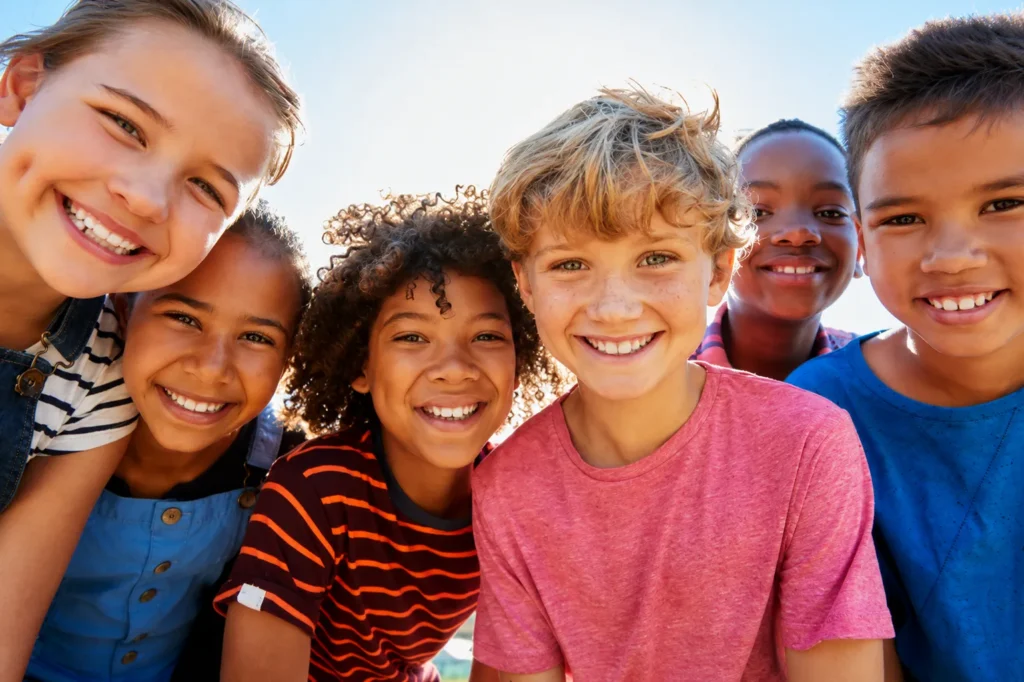
Concussion Superstars help create safer communities by promoting concussion awareness, encouraging injury prevention, and supporting friends and teammates who have experienced a concussion.
They lead by example, encourage others to speak up when symptoms occur, and understand that protecting brain health is always more important than winning a game.
Lead by Example
Support Others
Protect Brain Health
Spread Awareness
Every young person has the power to make a difference. By learning about concussions and sharing that knowledge with others, you can become a Concussion Superstar.
“Together, we can create a culture where brain health always comes first.”