
Football Season Is Back: What Every Athlete and Parent Should Know About Concussions
Uncategorized
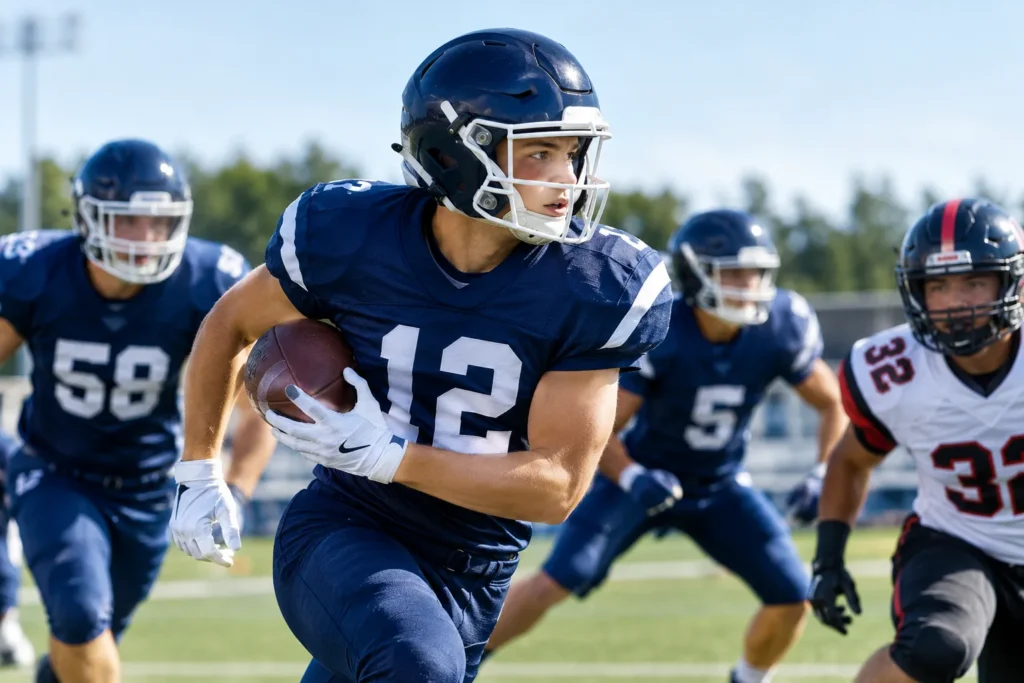
Football Season Is Back: What Every Athlete and Parent Should Know About Concussions
Uncategorized
September 2026
As students return to school and football season begins, Friday night games, team practices, and school spirit become an exciting part of the fall. For many young athletes, football provides opportunities to build friendships, develop discipline, and learn the importance of teamwork. However, the beginning of a new sports season is also an important time to discuss concussion awareness and brain safety.
Football is a contact sport, and collisions are an unavoidable part of the game. While protective equipment, safety rules, and proper techniques can help reduce the risk of serious injuries, they cannot eliminate the possibility of a concussion.
One of the most common misconceptions about football is that wearing a helmet completely protects an athlete from a concussion. Helmets are essential for reducing the risk of certain
serious head injuries, but no helmet can prevent every concussion. A concussion can occur when a sudden impact causes the brain to move rapidly inside the skull, temporarily disrupting
normal brain function.
This is why concussion prevention requires more than protective equipment alone.
Recognizing the Signs of a Concussion
Concussions do not always involve losing consciousness. In fact, an athlete can remain awake, continue walking, and even insist that they feel fine while experiencing a concussion.
Common symptoms include headaches, dizziness, nausea, confusion, difficulty concentrating, sensitivity to light or noise, and unusual fatigue. Some symptoms appear immediately after an injury, while others develop over the following hours or days.
Parents, coaches, and teammates should pay attention to changes in an athlete’s behavior, balance, or ability to concentrate. An athlete who appears confused, moves unusually slowly, or
complains of symptoms after a collision should be evaluated for a possible concussion.
Why Playing Through an Injury Is Dangerous
One of the most important messages I hope young athletes understand is that continuing to play after a suspected concussion is never worth the risk.
Athletes sometimes feel pressure to stay in a game, especially during an important competition. They may worry about disappointing their teammates or losing playing time. However, returning to play before recovering can increase the risk of another concussion and potentially more serious injury.
If a concussion is suspected, the athlete should be removed from play immediately and evaluated by a healthcare professional. They should not return to sports that same day.
Recovery also requires patience. While many athletes improve within several weeks, everyone recovers differently. Returning to school and other everyday activities can often happen
gradually as symptoms improve, but returning to contact sports requires a structured process and medical clearance.
Creating a Culture of Brain Safety
Concussion prevention is not only the responsibility of athletes. Parents, coaches, athletic trainers, schools, and teammates all play an important role in creating a safer sports
environment.
Coaches can reinforce proper tackling techniques, discourage unnecessary head contact, and encourage athletes to report symptoms. Parents can talk with their children about concussion risks before the season begins. Teammates can support one another by recognizing that sitting out after an injury is a responsible decision, not a sign of weakness.
As the founder of Concussion Superstars, I believe these conversations are especially important because they help young people understand that protecting their brain health should always come before winning a game.
Football season should be an opportunity for athletes to learn, compete, and enjoy the sport they love. By prioritizing concussion education and creating environments where athletes feel
comfortable speaking up, we can help make that experience safer.
The most important victory is making sure every athlete has the opportunity to protect their health, recover appropriately, and continue doing what they love.
As the season gets underway, I encourage athletes, parents, and coaches to take time to learn the signs of a concussion and understand what to do when an injury occurs.
Explore our Prevention, Symptoms, and Recovery pages to learn more about protecting brain health throughout the sports season.
Stay Updated
Subscribe to receive the latest news and updates about concussion awareness and prevention.