
Symptoms
Learn how concussion symptoms can affect the brain, what they may mean, and when to seek medical care.
Symptoms
Click HERE for to check CDC’s webpage about concussion.
Concussion symptoms can affect thinking, emotions, sleep, balance, and physical health. Every concussion is different, and symptoms may appear immediately or develop over the hours and days following an injury.
Emotional Symptoms
The frontal lobe helps regulate emotions, personality, and impulse control. After a concussion, some people may feel more irritable, anxious, sad, frustrated, or emotional than usual. Others may become overwhelmed more easily or react differently to situations that normally would not bother them. Emotional changes can occur unexpectedly and may affect relationships, school, work, or daily activities.
Common Symptoms:
- Irritability
- Anxiety
- Sadness
- Mood swings
- Increased frustration
- Feeling overwhelmed

Treatment
If emotional symptoms are not improving within a few days, discuss them with your healthcare provider. Talking with friends, family members, a counselor, or a therapist can often help. Maintaining a regular sleep schedule, staying physically active as recommended by your doctor, and reducing stress may also support recovery. Seek professional help if emotional symptoms become severe or interfere with daily life.
Cognitive Symptoms
A concussion can temporarily affect the areas of the brain responsible for attention, memory, processing information, and communication. After a concussion, you may have trouble focusing, paying attention, organizing thoughts, remembering information, or completing tasks that normally feel easy.
Common Symptoms:
- Difficulty concentrating
- Memory problems
- Trouble finding words
- Feeling mentally slower
- Difficulty following conversations
- Forgetting assignments or appointments

Treatment
Sleep & Fatigue
Common Symptoms:
- Difficulty falling asleep
- Sleeping more than usual
- Sleeping less than usual
- Frequent nighttime awakenings
- Daytime fatigue
- Feeling exhausted after normal activities

Treatment
Headaches
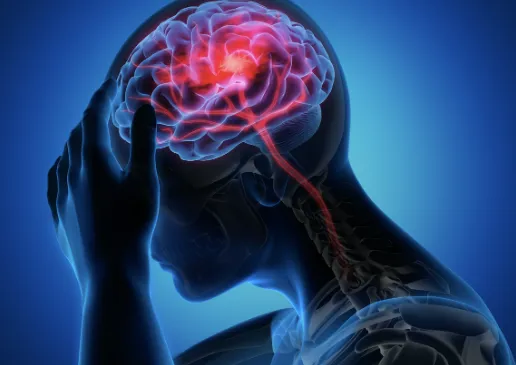
Headaches are one of the most common symptoms of concussion. They may occur immediately after an injury or develop later. Some headaches feel similar to migraines and may be accompanied by sensitivity to light, sensitivity to sound, nausea, dizziness, or difficulty concentrating. Headaches may worsen with physical activity, mental exertion, or excessive screen time.
Common Triggers:
- Bright lights
- Loud environments
- Extended screen time
- Physical exertion
- Stress

Treatment
More Serious Neurological Symptoms
While most concussion symptoms improve with time, some neurological symptoms may indicate a more significant injury and require prompt medical evaluation. These symptoms can affect balance, coordination, vision, movement, and other important brain functions.
Common Symptoms:
- Double vision
- Severe dizziness
- Persistent balance problems
- Significant confusion
- Numbness or weakness
- Difficulty walking
- Difficulty speaking
Treatment
EMERGENCY WARNING SIGNS
- A severe or worsening headache
- Repeated vomiting
- Increasing confusion
- Slurred speech
- Weakness or numbness
- Difficulty walking
- Unusual behavior, extreme agitation, or aggression
- A seizure
These symptoms may indicate bleeding, swelling, or another serious injury involving the brain. Immediate medical evaluation is critical. Fortunately, most sports-related concussions are not life-threatening and improve gradually with proper rest, monitoring, and medical care.