Concussion Super Stars

The Brain

Understanding the brain is the first step to understanding concussion.

The brain controls how we think, move, feel, learn, and recover. Understanding how the brain works helps explain why concussions matter and why protecting brain health is so important.

Brain Development

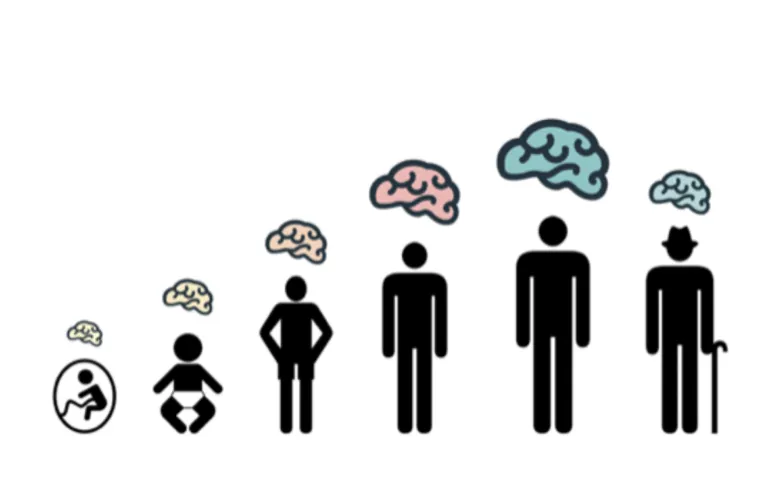
The human brain grows rapidly during childhood and continues developing into the mid-20s. The frontal lobes, which are responsible for decision-making, judgment, and impulse control, are among the last areas of the brain to fully mature.

Brain Myth

Myth: We only use 10% of our brain.

Fact: Brain imaging studies show that different areas of the brain are active throughout the day depending on the task being performed. While some regions may be more active than others at certain times, healthy individuals use all parts of their brain.

The Brain and Blood Flow

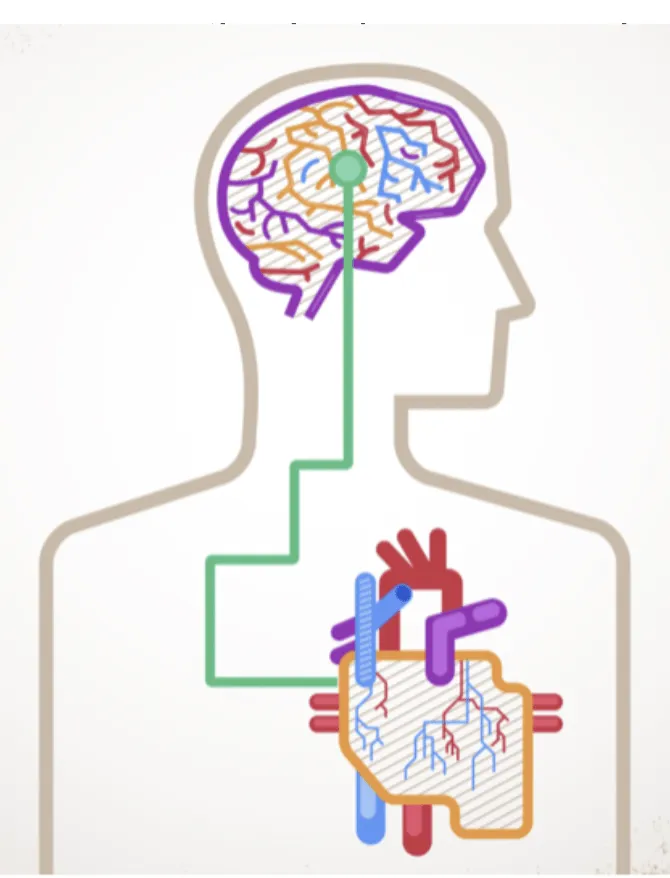
Although the brain accounts for only about 2% of body weight, it receives approximately 15–20% of the body’s blood supply. Healthy circulation delivers oxygen and nutrients that support memory, learning, and overall brain function.

Neurons and Connections

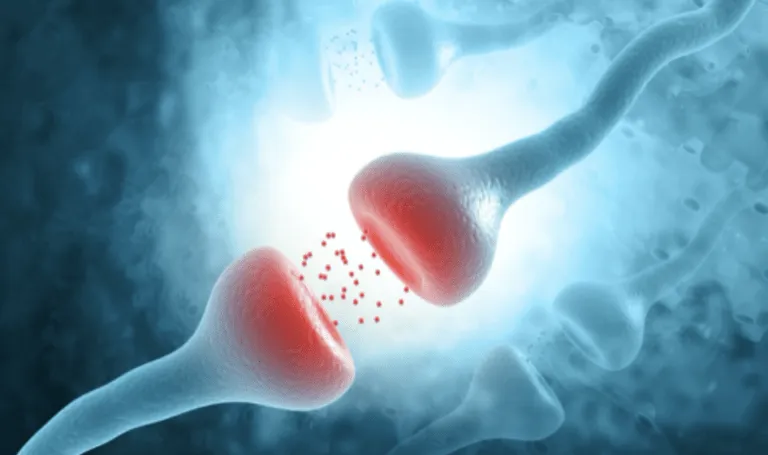
The brain contains approximately 86 billion neurons that communicate through trillions of connections called synapses. These connections strengthen throughout life as we learn new skills, exercise regularly, and challenge our minds.

Healthy habits such as physical activity, quality sleep, and lifelong learning help maintain and strengthen these neural connections.

Sleep and Brain Function

Sleep plays a critical role in memory, learning, concentration, and recovery. During sleep, the brain removes waste products, strengthens important neural connections, and prepares for the next day’s activities.

Poor sleep over time may negatively affect cognitive performance and overall brain health.

Exercise Supports Brain Health

Regular exercise improves blood flow to the brain and supports the growth of new brain cells through a process called neuroplasticity. Physical activity has been linked to improved memory, learning, mood, and long-term brain health.

Brain Development

The human brain grows rapidly during childhood and continues developing into the mid-20s. The frontal lobes, which are responsible for decision-making, judgment, and impulse control, are among the last areas of the brain to fully mature.

Brain Myth

Myth: We only use 10% of our brain.

Fact: Brain imaging studies show that different areas of the brain are active throughout the day depending on the task being performed. While some regions may be more active than others at certain times, healthy individuals use all parts of their brain.

The Brain and Blood Flow

Although the brain accounts for only about 2% of body weight, it receives approximately 15–20% of the body’s blood supply. Healthy circulation delivers oxygen and nutrients that support memory, learning, and overall brain function.

Neurons and Connections

The brain contains approximately 86 billion neurons that communicate through trillions of connections called synapses. These connections strengthen throughout life as we learn new skills, exercise regularly, and challenge our minds.

Healthy habits such as physical activity, quality sleep, and lifelong learning help maintain and strengthen these neural connections.

Sleep and Brain Function

Sleep plays a critical role in memory, learning, concentration, and recovery. During sleep, the brain removes waste products, strengthens important neural connections, and prepares for the next day’s activities.

Poor sleep over time may negatively affect cognitive performance and overall brain health.
Exercise Supports Brain Health

Regular exercise improves blood flow to the brain and supports the growth of new brain cells through a process called neuroplasticity. Physical activity has been linked to improved memory, learning, mood, and long-term brain health.

Use It or Lose It

Research suggests that staying mentally active may help maintain cognitive function as we age. Reading, learning new skills, solving problems, and engaging in meaningful activities help keep the brain challenged and healthy.

Why This Matters for Concussion

A concussion can temporarily affect how brain cells communicate, which is why symptoms may involve thinking, balance, sleep, mood, and physical health. Learning about the brain helps make concussion symptoms and recovery easier to understand.

Quick Brain Facts

The brain contains approximately 86 billion neurons.

The brain continues developing into the mid-20s.

Electrical signals in neurons can travel over 200 miles per hour.

The brain receives approximately 15–20% of the body’s blood supply.

Sleep helps strengthen memory and learning.

Regular exercise supports brain health and cognitive function.

Scroll to Top